

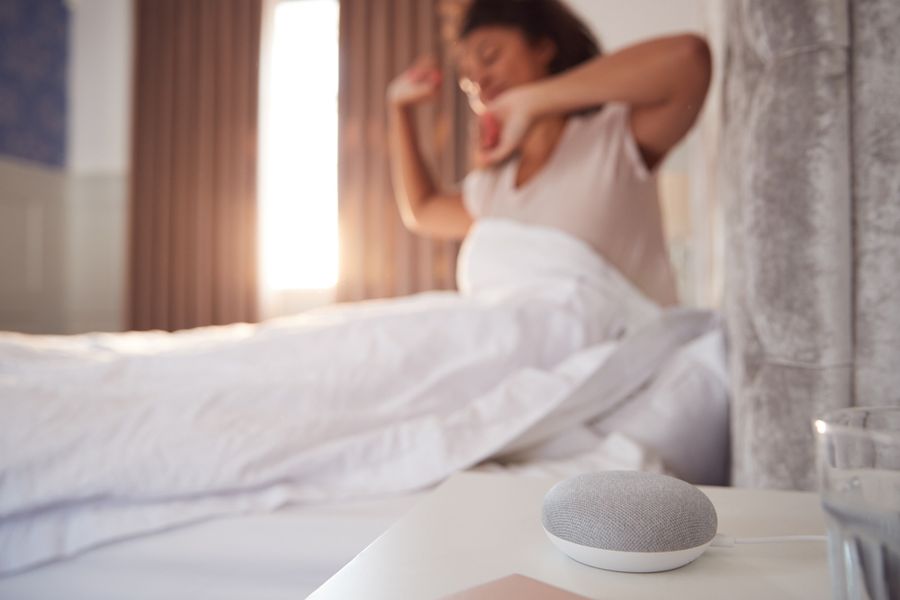
Getting good sleep is essential for physical health, mental clarity, and emotional balance. Yet many Americans struggle to fall or stay asleep. Fortunately, the right tools can make a big difference. From tracking your patterns to calming your environment, sleep aids help create the restful nights your body and mind need to function at their best.
1. Noise Machines: Soothing Sounds That Promote Deep Sleep
Noise machines are one of the most popular tools for people who have trouble sleeping in complete silence—or noisy environments. These devices play consistent background sounds like white noise, ocean waves, or rainfall. The goal is to block out sudden disruptions like traffic or snoring that might wake you up.
Some machines offer timer settings or volume control, allowing you to customize your sleep environment. Many users report that sound machines help them fall asleep faster and stay asleep longer. Whether you're a light sleeper or live in a noisy area, this simple tool could bring big improvements to your nightly routine.
Popular noise machines include:
- Hatch Restore 3 Sound Machine
- Snooz White Noise Machine
- LectroFan EVO White Noise Machine
2. Sleep Trackers: Understand Your Sleep to Improve It
Sleep trackers are wearable or bedside tools that monitor how long and how well you sleep. Most track movement, heart rate, and even breathing to give a complete picture of your sleep cycles. These insights can reveal if you're getting enough deep sleep or waking up frequently during the night.
With this data, you can spot habits that hurt your sleep—like late-night screen time or inconsistent bedtimes. Some trackers sync with mobile apps, offering personalized tips for better rest. By turning sleep into something you can measure, these devices help you make meaningful changes for long-term health.
Popular sleep trackers include:
- Oura Ring 4
- Fitbit Sense 2
- Apple Watch Series 11
3. Smart Lighting: Support Your Body’s Natural Rhythm
Lighting plays a major role in your sleep quality. Bright lights in the evening can confuse your internal clock, making it harder to wind down. Smart lighting systems allow you to adjust brightness and color temperature based on the time of day.
Some smart bulbs can dim gradually, mimicking sunset and helping your brain prepare for rest. Others can shift to warmer tones in the evening and cooler tones in the morning, encouraging a natural sleep-wake cycle. These subtle changes can have a big impact over time.
Popular smart lighting options include:
- Philips Hue White & Color Ambiance Smart LED Bulb
- Govee Glide Wall Light
- Nanoleaf Lines Smart Light Panels
4. Aromatherapy Tools: Using Scents to Encourage Sleep
Essential oils have long been used for relaxation, and certain scents—like lavender, chamomile, or sandalwood—are known to promote sleep. Aromatherapy diffusers gently release these scents into the air, creating a calming bedtime environment.
Some diffusers also double as night lights or humidifiers. Used consistently, the soothing routine of aromatherapy can help signal to your brain that it’s time to relax and rest. It’s a natural option that pairs well with other sleep tools for a holistic approach.
Popular diffusers include:
- Vitruvi Stone Essential Oil Diffuser
- InnoGear Essential Oil Diffuser
- Pura Smart Diffuser
Build a Better Sleep Routine With the Right Tools
Improving sleep isn’t just about going to bed earlier—it’s about creating an environment that supports rest. From tracking how you sleep to blocking noise and adjusting lighting, today’s tools make it easier to enjoy consistent, restorative nights. Try combining two or three of these tools to find what works best for your needs.
Better sleep leads to better health, focus, and mood. By investing in sleep tools tailored to your lifestyle, you’re also investing in your long-term well-being. The small effort you make now can lead to big rewards every morning you wake up feeling truly rested.